Refer a Patient




Numbers & Oral Health
- Nearly 1-in-5 adults aged 65+ lose their teeth or face edentualism. Complete tooth loss is more common than you know. According to CDC, it’s twice as common in adults 75+ compared to younger seniors.
- About 68% of older adults are affected by gum disease ( American Dental Association).
- Nearly half, or 42%, of all adults aged 30+ have some degree of periodontitis. Out of this, severe periodontitis affects 8% of adults.
- 1 in 6 older adults face dental decay – cavities that form below the tooth surface. A risk that increases with age.
- According to American Dental Association, oral cancers are primarily diagnosed in older adults with a median age of 62.
- Dry Mouth or Xerostomia affects 30% of adults over 65 and up to 40% of adults over 80 (ADA).
What Changes As You Age
1. Gum Disease Risks Grow
- Plaque buildups over decades make gum disease even more common in adults. The longer the plaque deposition, the higher the chances of cancer.
- Risk factors grow even more when an individual has metabolic diseases such as diabetes, smoking history and absence of flossing/ brushing.
- Untreated gum disease and lack of dental care is one of major causes for missing teeth in older adults.
2. Dry Mouth or Xerostomia becomes more common
- Contrary to belief, dry mouth is not only caused by age. (JADA)
- The real driver is medication. Older adults typically consume more prescriptions, including antihistamines, antidepressants, and blood pressure thinners. This reduces the saliva creation, which eventually leads to dry mouth.
- Xerostomia risk roughly doubles in people taking one or more daily medications and climbs further past four medications. (ADA)
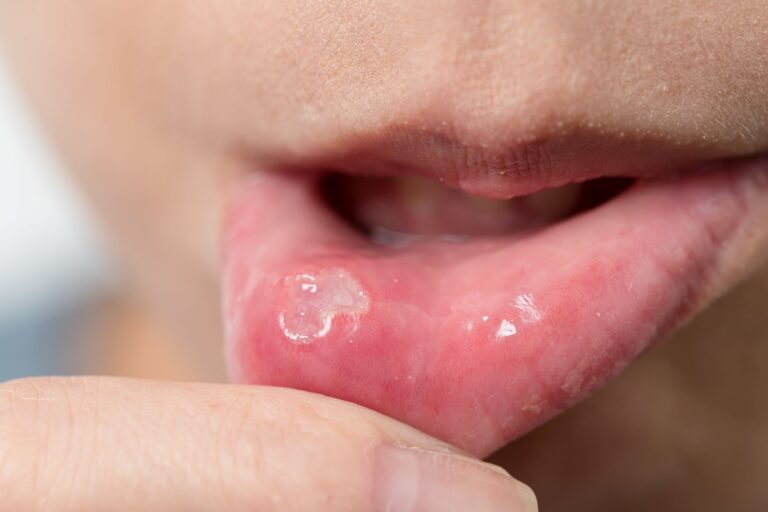
- Less saliva means more cavities, cracked lips, and mouth sores.
3. Dental Decay Persists
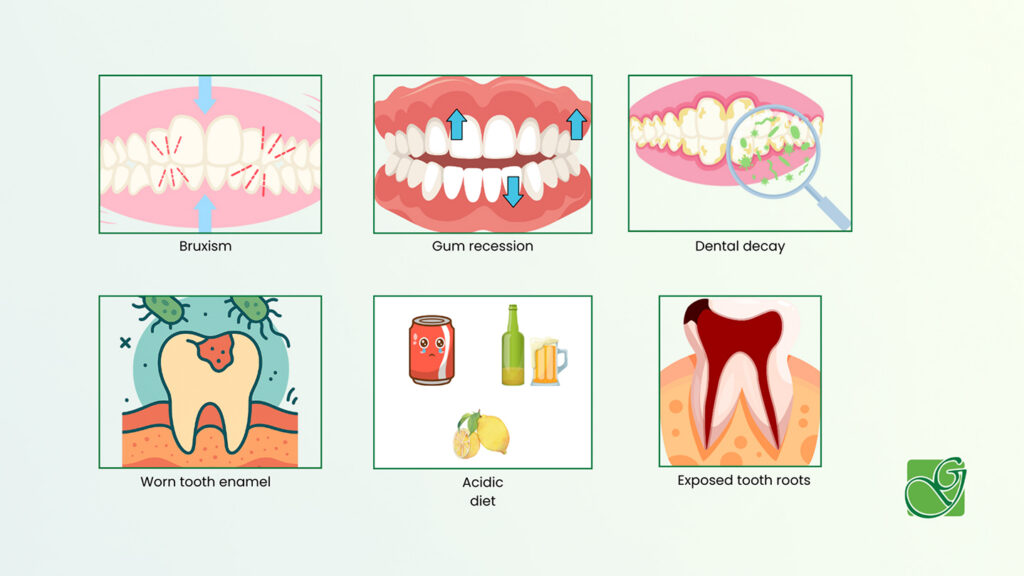
- As gums recede, the chances of tooth infection increase too. This exposes the roots and attracts unwanted biotics.
- Root surfaces lack the enamel coating that protects the crown of the tooth, making them more vulnerable to decay.
- Risk factors: dry mouth, plaque deposition, smoking, and limited access to dental care. (Oral Health in America)
4. Tooth Loss Risk Increases
- The average U.S. adult loses roughly 6 or more teeth by age 65, primarily due to decay and gum disease.
- Tooth loss isn’t just cosmetic – it affects nutrition, speech, and confidence. This can accelerate bone loss in the jaw.
- Positively, complete tooth loss among older adults has been declining over the past decade thanks to Canadian Dental Care Plans and improved access to dental care.
5. Oral Cancer Risk Increases With Age
- Most oral cancer diagnoses occur in older adults with a median age of 62.
- Regular dental checkups double as oral cancer screenings – another reason to visit your dentist often as you age.
The Mouth-Body Connection
- Diabetes and oral health are closely linked – older adults with diabetes have significantly higher odds of xerostomia than those without it.
- Reduced saliva flow has been documented in many older adults with type 2 diabetes in clinical studies.
- Chronic conditions common in older age – like heart disease, arthritis, and obesity—are all associated with higher rates of tooth loss. This is partly because managing a chronic illness can make dental care a lower priority.
The relationship runs both ways: unmanaged gum disease can be a potential factor for inflammation that affects overall health. So next time when you visit your dentist, make sure to present your medical history.
Medications Worth Discussing With a Dentist
If you take any of the following, mention it at your visits – they are commonly linked to dry mouth and other oral side effects:
- Blood pressure medications
- Antidepressants and anti-anxiety medications
- Antihistamines
- Diuretics
- Medication for urinary incontinence
- Drugs for Parkinson’s disease or Alzheimer’s disease
How to Protect Your Oral Health as You Age
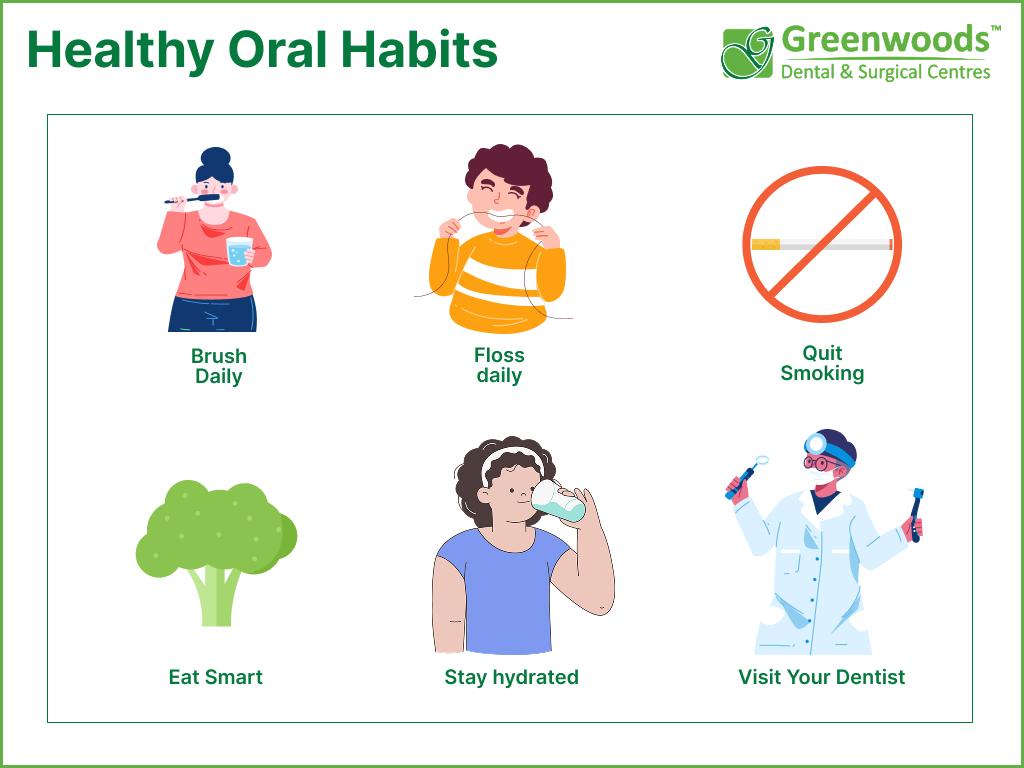
- Brush up twice daily with fluoride toothpaste – consider an electric toothbrush if dexterity becomes an issue.
- Floss daily – root surfaces and receding gums can give more room to plaque deposition and bring in unwanted dental decay over the long term.
- Sip water throughout the day if you experience dry mouth and limit sugary, acidic drinks. Avoid smoking and vaping, as they are the biggest contributors to a dry and sore mouth.
- Ask your doctor or pharmacist if your medications can be substituted to help with your dry mouth.
- Don’t skip checkups. Twice-yearly visits catch gum disease, improve oral health, root decay, and oral cancer early.
- Bring your entire medication list to dental appointments so your dentist can flag potential side effects and reactions while treatment.
- Consider a prescription-based toothpaste if you are at higher risk of tooth decay.
When to See Your Dentist
- Persistent dry mouth, especially after starting medications.
- Gums that bleed with brushing or flossing.
- Excruciating pain in the jaw or one of the teeth.
- Sensitivity near the gumline.
- Presence of sores, patches, or ulcers in the mouth that haven’t healed in over 2 weeks.
- A denture that feels loose or has visibly changed in shape, color, or its form.
The Bottom Line
Aging doesn’t necessarily mean declining oral health – it only comes with higher risks, which can aggravate if not cared for. More gum loss, dry mouth occurrence, and decay bring challenges. The good news is that these respond greatly to dental treatment paired with right home-care treatments.
Have questions before you attend your dental treatment at Greenwoods? Our team can help you build a care plan that keeps pace with your needs. Book an appointment or call 1-866-774-0006.