Refer a Patient




Table of Contents
A Guide to Understanding Your Dental Plan
Dental insurance can be a valuable tool for managing the cost of dental care. Whether you have a Canadian dental care plan, need low-income dental assistance, or are looking to understand coverage for various treatments, it’s essential to know your plan. Whether you have private insurance, qualify for government programs, or need flexible financing, we’ve designed our payment options to make quality dental care accessible to everyone. Here’s a breakdown of what’s typically included in dental insurance plans.
Preventive Care (Usually Covered 100%)
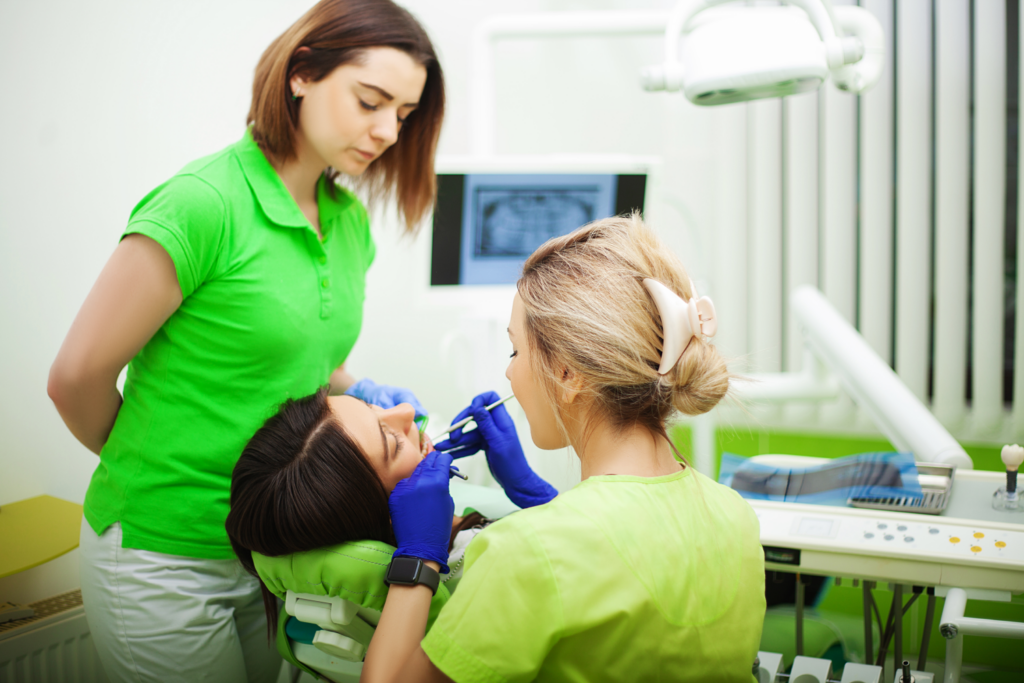
Preventive care is the cornerstone of most dental insurance plans. These services help you maintain good oral health and avoid costly procedures later. Standard services covered include:
- Routine check-ups: Regular exams to catch problems early.
- Cleanings: Professional cleanings to remove plaque and tartar.
- X-rays: Annual or bi-annual X-rays to spot hidden issues.
- Fluoride treatments: Often covered for children or those at high risk of tooth decay.
- Sealants: Applied to teeth to prevent cavities.
These services are usually covered at 100%, especially when you visit an in-network dentist.
Basic Dental Services (Covered at 70-80%)
Your plan will typically cover a portion of the cost for more extensive treatments, usually around 70-80%. These services may include:
- Fillings: The material used to treat cavities varies in coverage (e.g., silver vs. composite).
- Extractions: Tooth removal, including wisdom teeth or damaged teeth.
- Root canals: These are used to save damaged or infected teeth.
- Scaling and root planing: Periodontal treatments for gum disease.
These treatments help address oral health issues that go beyond basic care.
Major Dental Services (Typically Covered at 50%)

Primary dental services typically require a higher out-of-pocket cost, with coverage at about 50%. These include:
- Crowns: To restore teeth that are severely damaged.
- Bridges: For replacing missing teeth.
- Dentures: Full or partial dentures to restore function and appearance.
- Implants: Dental implants to replace missing teeth permanently.
- Oral surgery: For procedures like wisdom tooth removal or jaw surgery.
Though these services can be costly, insurance coverage helps reduce the financial burden.
Orthodontics (Optional or Separate Coverage)
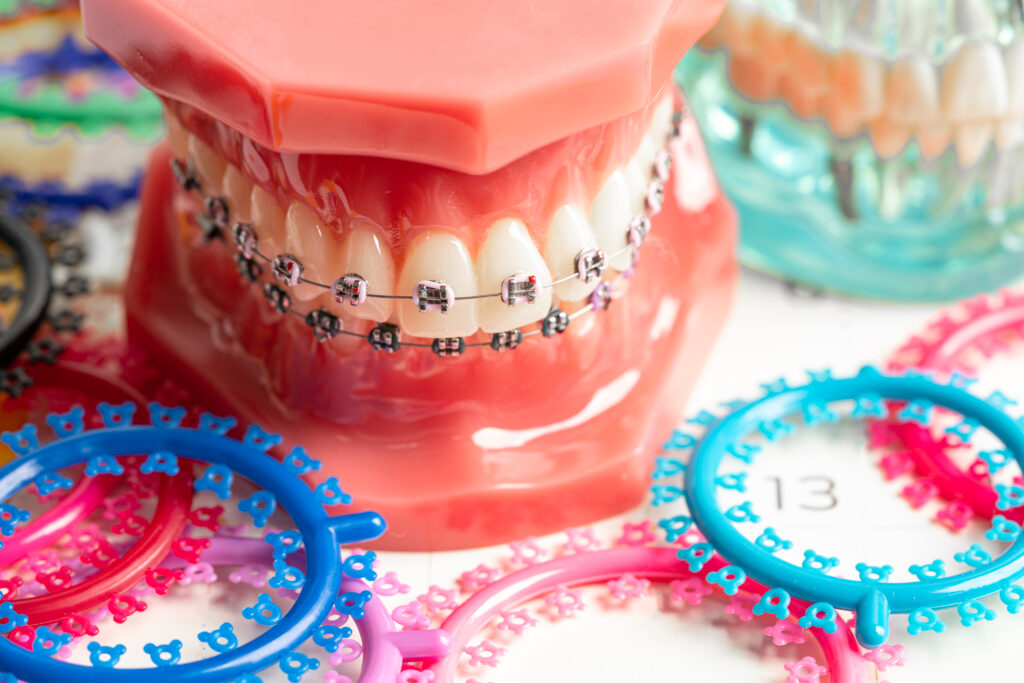
Orthodontics, like braces, is often an optional add-on to dental insurance plans. This is particularly common for families with children. Some low-income dental plans may include orthodontic coverage, but it’s typically not included in basic plans.
Emergency Dental Services

Dental emergencies, such as severe toothache or emergency extraction, are often covered by dental insurance. Depending on the treatment required, they may be considered essential or significant services.
Greenwoods Dental Insurance Acceptance
Canadian Dental Care Plan (CDCP) Coverage
The Canadian Dental Care Plan (CDCP) is designed to provide dental coverage for Canadians who might otherwise struggle to afford dental care. CDCP typically covers:
- Preventive services, such as routine exams and cleanings.
- Essential dental treatments, like fillings and extractions.
- Emergency dental services, for urgent care needs.
This plan helps ensure access to essential dental services for those without private insurance or needing additional support, particularly low-income individuals.
Indigenous Health Benefits Programs
Jordan’s Principle
For First Nations children aged 0-18, Jordan’s Principle ensures equal access to health services, including dental care, regardless of jurisdiction. We submit all required documentation on your family’s behalf to expedite approvals.
Non-Insured Health Benefits (NIHB)
Outside of British Columbia, NIHB covers eligible dental services for registered First Nations and Inuit clients. Greenwoods is a registered NIHB provider and bills the program directly on your behalf.
First Nations Health Authority (FNHA) – British Columbia
In British Columbia, dental benefits are now administered by the FNHA Health Benefits Program in partnership with Pacific Blue Cross. Greenwoods accepts FNHA coverage and can request prior authorizations electronically for your convenience.
Métis Nation British Columbia (MNBC) Health Benefits
MNBC offers extended health programs—such as the Métis Elders & Senior Assistance Program—that can assist with dental costs not covered by provincial MSP. Simply provide your MNBC benefits confirmation, and we’ll coordinate payment.

At Greenwoods Dental, we accept most dental insurance plans and offer the convenience of direct billing to your provider. Contact your insurance provider or our reception team for more details on what’s covered or questions about your specific plan. We’re here to help make your dental care experience as smooth as possible.
Private Insurance Plans Accepted at Greenwoods Dental
We’re proud to work with virtually every major Canadian dental insurer, offering convenient direct billing to make your experience seamless. We accept and directly bill the following insurance providers:
- Canada Life
- Manulife
- Sun Life
- Blue Cross
- Pacific Blue Cross
- Desjardins
- Empire Life
- And many more
Simply bring your policy details to your appointment, and we’ll submit your claim electronically. When your plan includes “assignment of benefits,” you only pay the portion that isn’t covered by your insurance
Dental insurance is key in managing oral health costs, but understanding what’s covered is essential. Whether you have a standard insurance plan, are looking for a low-income dental plan, or are exploring the Canadian Dental Care Plan (CDCP), knowing your coverage options can save time and money. For any questions about specific coverage or to find dentists who accept your plan, it’s always a good idea to check with your insurance provider or a local dental office.