Refer a Patient




Got sharp pain when you bite into ice cream? Or feel that mind-numbing zing when sipping your morning coffee? You’re not alone. Tooth sensitivity is surprisingly common, and that sudden shock of pain traveling through your teeth isn’t something you just have to live with.
If hot drinks, cold treats, or even breathing in chilly air makes your teeth ache, it’s time to book an appointment at your Winnipeg dental office. Let’s talk about what’s really going on and, more importantly, what you can do about it.
What’s Actually Happening When Your Teeth Hurt
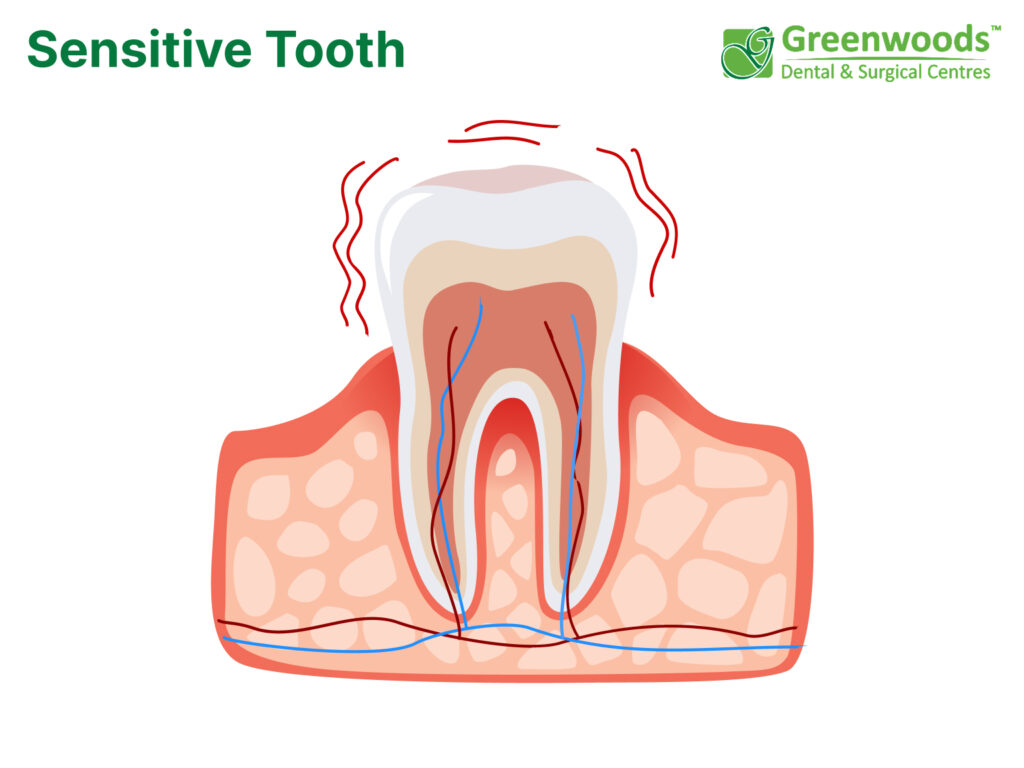 Tooth sensitivity isn’t just one thing- it can come from different sources, and understanding which type you have makes all the difference in getting the right treatment.
When it’s your dentin: Think of your teeth like a well-built house. The enamel on the crown is like the roof, protecting everything underneath. Your gums act like siding, covering the roots below the surface. But between all that protection is dentin—a softer, more porous layer that’s connected directly to your tooth’s nerve center.
Here’s where it gets interesting. Dentin is the main structure of your tooth, sitting right beneath the enamel and surrounding the pulp chamber where all your nerves live. When that protective enamel wears away or your gums pull back, the dentin gets exposed. And unlike the hard enamel shell, dentin is full of thousands of tiny tubules—microscopic tunnels that lead straight to the nerves inside your tooth.
So when something cold, hot, sweet, or acidic touches those exposed areas, boom – the sensation shoots right through those tubules to your nerves. That’s why ice cream or ice-cold water can feel like a lightning bolt in your mouth. The stimulus travels directly to the nerve endings, and your tooth lets you know about it immediately.
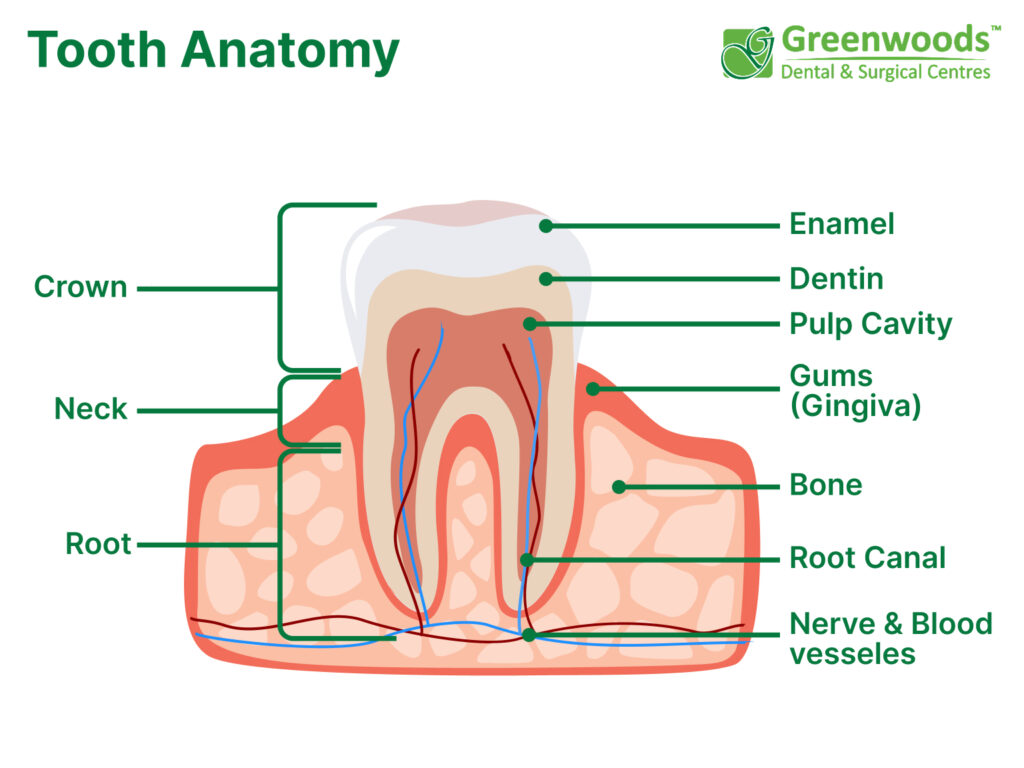 When it’s your pulp: Sometimes the sensitivity affects just one specific tooth rather than several. That usually means the issue is with the pulp itself – the inner chamber of your tooth where the nerve and blood vessels live. This type of sensitivity is your tooth’s way of telling you something’s going on deeper inside.
Your Winnipeg dentist can figure out which type you’re dealing with through examination and sometimes x-rays. Getting the diagnosis right is the first step toward actually feeling better.
Why This Happens in the First Place
The million-dollar question: why do teeth become sensitive in the first place? For most people, the main culprit is receding gums. As we age, or if we brush too aggressively, our gums can gradually shrink back from where they’re supposed to be. When your gums pull away, they expose parts of your tooth root that were never meant to see daylight.
Those exposed roots don’t have the tough enamel coating that protects the crowns of your teeth. Instead, they’re covered with a thinner layer called cementum, and once that’s compromised, the dentin underneath is vulnerable. Without that hard protective barrier, those thousands of microscopic tubules are now open highways straight to your nerves.
But gum recession isn’t the only villain in this story. Your teeth might also develop tiny microcracks that you can’t even see with the naked eye. These invisible fractures can create pathways for sensations to reach the nerves, causing that familiar jolt of pain.
Here are some other common causes we see all the time:
Grinding your teeth at night (bruxism): When you clench and grind your teeth while sleeping, you’re literally wearing down the enamel. Over time, this exposes the softer dentin layer underneath. Plus, the constant pressure can create those microscopic cracks we mentioned.
Actual visible cracks or chips: Maybe you bit down on something hard or took a fall. Damaged teeth are sensitive teeth.
Gum disease (periodontal disease): When bacteria cause inflammation and infection in your gums, it can lead to gum recession and bone loss. Both of these expose more of your tooth structure.
Buildup of plaque and tartar: When plaque hardens into tartar, it can pull your gums away from your teeth, creating pockets where roots get exposed.
Just general wear and tear over the years: Enamel doesn’t last forever. Decades of chewing, temperature changes, and exposure to acids slowly wear it down.
Not keeping up with brushing and flossing: Poor oral hygiene lets bacteria thrive, which can lead to decay and gum disease – both causes of sensitivity.
Untreated cavities: A cavity is literally a hole in your tooth. As it gets deeper, it gets closer to the nerve, and that hurts.
Recent dental work: Sometimes teeth get temporarily sensitive after fillings, crowns, or cleanings. Usually this fades within a few weeks.
Teeth whitening treatments: Whether at the dentist’s office or with at-home kits, whitening products can temporarily increase sensitivity. The peroxide needs to penetrate your enamel to work, and that can irritate the nerves.
Certain mouthwashes: Some alcohol-based mouthwashes or those with harsh ingredients can contribute to sensitivity, especially if you’re using them multiple times a day.
How to Actually Fix It
Here’s the thing—tooth sensitivity doesn’t have to be your forever problem. Once you get to your Winnipeg dentist and they figure out what’s causing it, there are real, effective solutions.
The treatment depends entirely on what’s going on in your mouth. If it’s exposed dentin making you miserable, your dentist might start with the conservative approach: switching to a softer toothbrush and using toothpaste made specifically for sensitive teeth.
These aren’t just marketing gimmicks. Special toothpastes for sensitive teeth contain compounds like potassium nitrate or stannous fluoride that actually build up a protective layer over the exposed dentin. They work by blocking those tubules we talked about earlier, preventing sensations from reaching the nerve. The fluoride also strengthens the tooth structure and reduces sensitivity over time. You won’t see results overnight – it usually takes a week or two of consistent use – but most people notice a real difference.
In more severe cases where none of these treatments work, a root canal might be necessary. Before you panic – modern root canals aren’t the nightmare they used to be. If your tooth’s pulp is infected or badly damaged, removing it and sealing the tooth can actually eliminate the pain for good.
Keeping Sensitivity at Bay
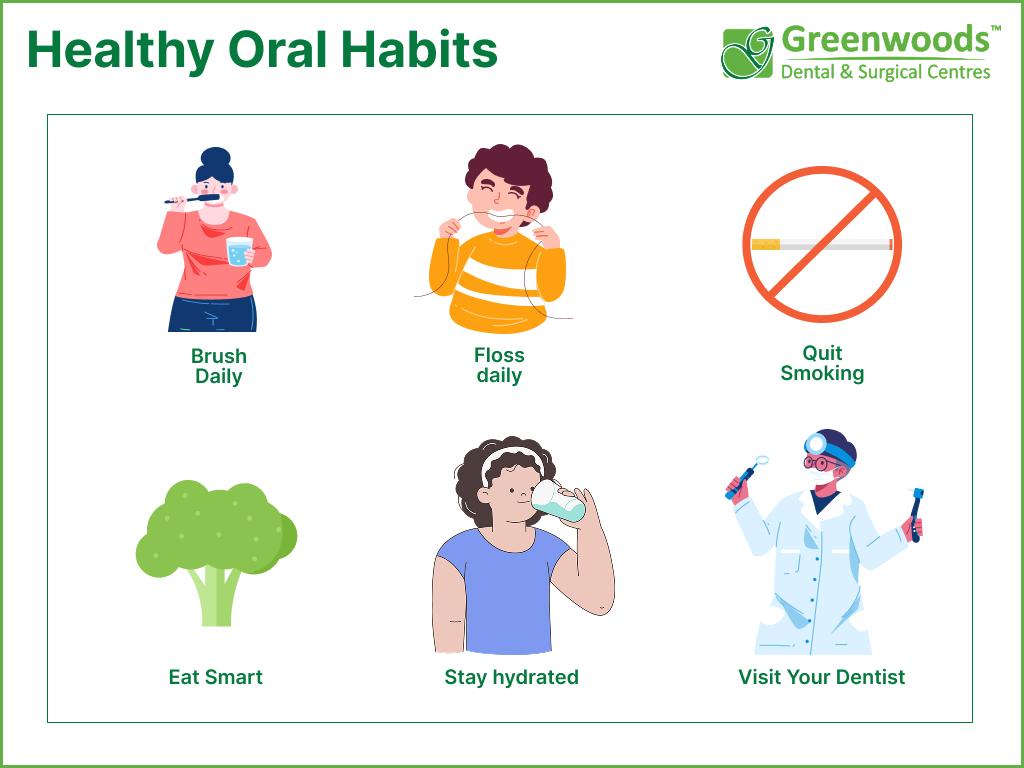
Prevention is always better than treatment. Once you’ve gotten your sensitivity under control, you’ll want to keep it that way. Here’s what actually works:
Be gentle with your teeth. Seriously, you don’t need to scrub like you’re cleaning grout. Use a soft-bristled brush and gentle circular motions. Aggressive brushing wears down enamel and pushes gums back-the exact opposite of what you want.
Don’t skip your cleanings. Yeah, everyone says this, but there’s a reason. Getting your teeth professionally cleaned every six months does more than just make them shiny. Your hygienist removes tartar buildup that you can’t get rid of at home, and your dentist checks for early signs of cavities, cracks, or gum disease.
Protect your teeth at night. If you grind your teeth while you sleep, you might not even know it. Ask your partner if they hear grinding sounds at night, or look for signs like worn-down teeth or jaw soreness in the morning.
Watch the acidic stuff. Soda, citrus fruits and juices, wine, sports drinks are all tough on your enamel. The acid essentially dissolves the mineral structure of your teeth. You don’t have to give them up completely (we’re humans afterall), but maybe don’t sip on lemonade all afternoon.
Mind your diet. Beyond just avoiding acids, eating tooth-friendly foods can help. Dairy products, crunchy vegetables, and foods high in calcium and phosphorus help strengthen teeth. And drinking plenty of water throughout the day helps wash away food particles and neutralize acids.
Conclusion
Tooth sensitivity is annoying, uncomfortable, and can really impact your quality of life. But here’s the good news—it’s also highly treatable. You don’t have to spend the rest of your life avoiding ice cream, drinking room-temperature water, or wincing every time you step outside in winter. The key is getting to the root cause. Is it exposed dentin? A crack? Gum disease? Once we figure out what’s actually happening, we can create a treatment plan that addresses your specific situation.
At Greenwoods Dental, we understand how frustrating tooth sensitivity can be. Our experienced team has helped countless Winnipeg patients find relief and get back to enjoying their favourite foods and drinks without pain. Whether your sensitivity is mild or severe, we’ll take the time to identify the cause and recommend the right treatment for you.