Refer a Patient




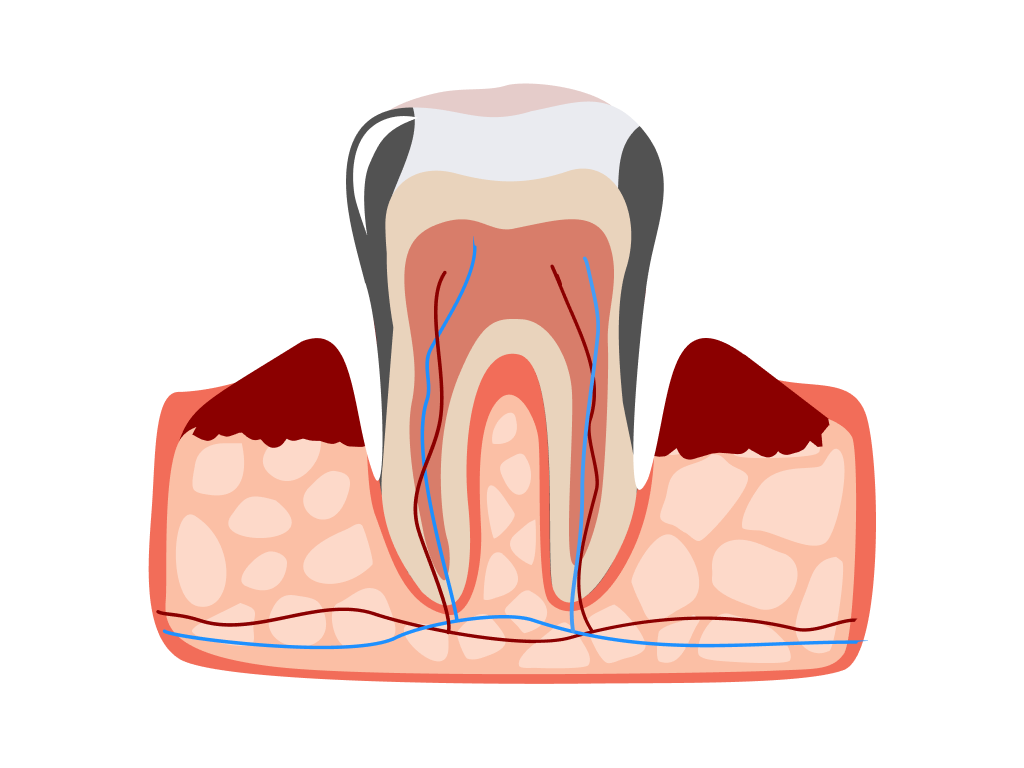
Table of Contents
- Gingivitis vs. Periodontitis: What's the Difference?
- The Silent Threat: What Causes Gum Disease and Who's at Risk?
- Spotting the Signs: What to Look For
- The Detective Work: How Your Dentist Finds Gum Disease
- Pathways to Healing: Your Treatment Options
- Beyond Your Mouth: How Gum Disease Affects Your Whole Body
- Your Daily Defense: Preventing Gum Disease
- Living with Periodontitis: What to Expect Long-Term
- Understanding the Investment: Costs of Treatment
- Is Periodontal Disease Contagious?
- Conclusion: Your Journey to a Healthier Smile
Ever notice your gums looking a bit red, swollen, or bleeding when you brush? It’s easy to shrug these off, but they could be your body’s way of telling you something important: you might have periodontal disease, commonly known as gum disease. This condition affects your gums, the bone, and all the other parts that keep your teeth firmly in place. It’s surprisingly common, affecting millions of adults, and it’s a top reason why people lose teeth.
The tricky part? Gum disease often doesn’t hurt in its early stages. This means you might not even know it’s there until it’s caused more serious damage. That’s why understanding the warning signs and visiting your dentist regularly are so incredibly important.
Did you know that 7 out of every 10 Canadians will develop gum disease at some point in their lives? It’s a widespread issue that deserves our attention.
Gingivitis vs. Periodontitis: What’s the Difference?
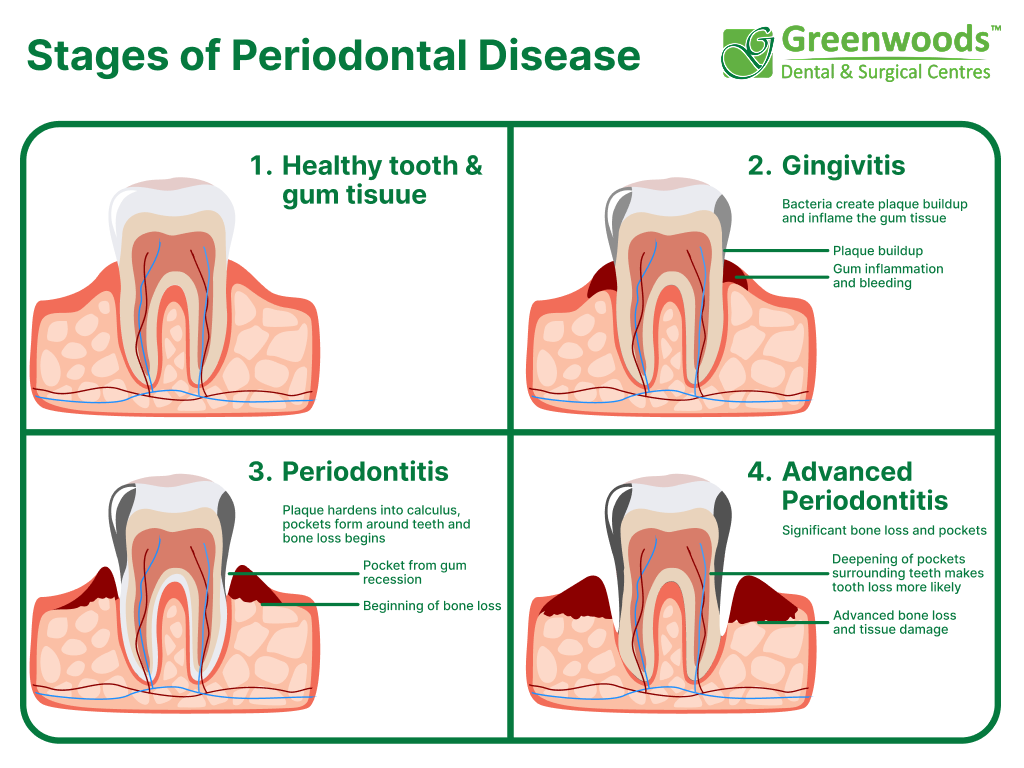
Gum disease usually starts mild and can get worse over time. Knowing these stages helps you understand what’s happening and how to take action.
Gingivitis is the earliest, mildest stage. Think of it as gum inflammation. Your gums might look red, swollen, feel tender, and bleed easily when you brush or floss. The great news is that gingivitis is completely reversible. With a good professional cleaning from your dental team and consistent daily brushing and flossing at home, your gums can bounce back to being healthy.
But if gingivitis isn’t treated, it can progress to periodontitis. This is a more serious stage where the infection starts to break down the bone and tissues that support your teeth. You might notice your gums pulling away from your teeth, making them look longer. This creates deeper spaces, called “pockets,” between your teeth and gums. Unlike gingivitis, the damage from periodontitis, especially bone loss, usually can’t be reversed. It becomes a long-term condition that needs ongoing professional care to stop it from getting worse and help you keep your teeth.
Stages of Periodontal Disease
| Stage Name | Key Symptoms | Reversibility |
|---|---|---|
| Gingivitis | Red, swollen, bleeding. | Fully reversible. |
| Early Periodontitis | Gums pull, mild bone. | Halt progression. |
| Moderate Periodontitis | Deep pockets, more bone. | Halt progression. |
| Advanced Periodontitis | Major bone, loose teeth. | Damage irreversible. |
The Silent Threat: What Causes Gum Disease and Who’s at Risk?
Understanding what causes periodontal disease is your first step to preventing it.
Plaque and Tartar: The Main Culprits
The most common cause of inflamed gums is plaque. This is a thin, sticky film of bacteria that constantly forms on your teeth. If you don’t remove this plaque every day by brushing and flossing, it hardens into a rough, calcified deposit called tartar. Once tartar forms, you can’t brush it away yourself; only a dentist or hygienist can remove it with a professional cleaning.
Beyond Brushing: Other Risk Factors
While plaque is the direct cause, many other things can increase your risk or make gum disease worse:
- Smoking and Tobacco Use: This is the biggest risk factor. If you smoke, you’re much more likely to get gum disease, and treatments might not work as well.
- Genetics: Sometimes, it just runs in the family.
- Health Conditions: Diseases like diabetes can weaken your body’s ability to fight infections, including those in your gums. Gum disease can also make it harder to control your blood sugar.
- Poor Oral Hygiene: Not brushing and flossing well every day allows plaque and tartar to build up, directly leading to gum inflammation.
- Stress: Long-term stress can weaken your immune system.
Spotting the Signs: What to Look For
Catching periodontal disease symptoms early is super important. Even if it doesn’t hurt, watch out for these warning signs:
Gum-Related Symptoms
- Red, Swollen, Tender Gums: Healthy gums are pink and firm.
- Bleeding Gums: A common early sign during brushing or flossing.
- Receding Gums: Gums pulling away, making teeth look longer.
- Gum Pockets: Spaces forming between gum and tooth, trapping bacteria.
Tooth-Related Symptoms
- Loose or Sensitive Teeth: Due to bone and tissue destruction.
- Pain While Chewing: Discomfort when biting.
- Changes in Bite: How your upper and lower teeth fit together.
- Spaces Between Teeth: New or larger gaps appearing.
Other Oral Indicators
- Persistent Bad Breath or Bad Taste: From bacterial activity.
- Pus Between Gums and Teeth: A clear sign of infection.
Common Symptoms of Periodontal Disease
| Affected Area | Symptoms |
|---|---|
| Gums | Red, swollen, bleeding. |
| Teeth | Loose, sensitive, pain. |
| Other | Bad breath, pus. |
The Detective Work: How Your Dentist Finds Gum Disease
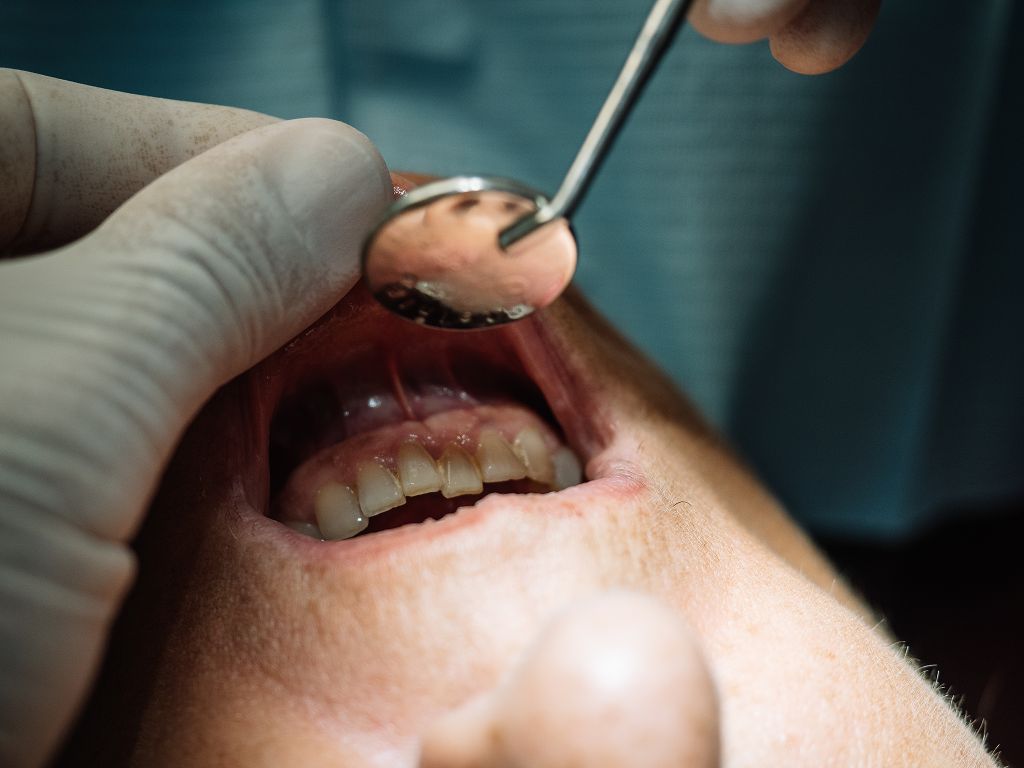
To figure out what is periodontal disease and how severe it is, your dental professional will do a few things:
Comprehensive Oral Exam
Your dentist or hygienist will look closely at your mouth for signs like redness, swelling, plaque, and bleeding.
Gum Probing: Measuring Pockets
They’ll use a tiny ruler called a “dental probe” to gently measure the space between your gum and tooth. Healthy pockets are 1 to 3 millimeters (mm) deep. If they’re deeper than 4 mm, it can mean gum disease. Pockets deeper than 5 mm are too deep for you to clean at home.
Dental X-rays: Checking for Bone Loss
X-rays help your dentist see the bone supporting your teeth. They can show if there’s any bone loss, which is a sign of more advanced gum disease.
Referral to a Periodontist
If your gum disease is advanced or complex, your general dentist might send you to a periodontist. This is a dental specialist with extra training in treating gum disease.
Periodontal Disease Diagnostic Tests
| Diagnostic Test | How Done | Why Done |
|---|---|---|
| Gum Exam | Dentist inspects | Find gum signs |
| Gum Probing | Ruler measures | Check depth |
| Dental X-rays | X-rays taken | See bone loss |
Pathways to Healing: Your Treatment Options
Once periodontal disease is diagnosed, your dentist will create a treatment plan. The main goal is to get rid of the infection, stop further damage, and help your gums get healthy again.
Non-Surgical Approaches
For less severe gum disease, these are often the first step:
- Scaling and Root Planing (Deep Cleaning): This is like a super thorough cleaning. Your dental professional will carefully remove plaque and hardened tartar from your tooth surfaces, both above and below the gumline. Then, they’ll smooth the root surfaces to make it harder for bacteria to stick and help your gums reattach.
- Antibiotics: Sometimes, antibiotics (either applied directly to gum pockets or taken as pills) are used to fight the bacterial infection.
- Laser Therapy: In some cases, lasers can be used to target and kill bacteria.
Surgical Interventions (for Advanced Periodontitis)
If you have severe periodontal disease and there’s significant damage, a periodontist might recommend surgery:
- Flap Surgery: This procedure helps reduce deep gum pockets. The gum tissue is gently folded back to allow for a very thorough cleaning of the tooth roots and to reshape bone if needed.
- Soft Tissue Grafts: If your gums have receded, a small piece of gum tissue is attached to cover exposed roots, reduce further gum loss, and improve how your gums look.
- Bone Grafting: If gum disease has destroyed bone around your tooth, grafting material is placed to stabilize the tooth and encourage new bone to grow.
- Guided Tissue Regeneration: This technique helps new bone and tissues grow back by placing a special barrier.
Remember, a periodontist is a dental specialist with extra training in gum disease, especially for more complex cases.
Common Periodontal Treatment Options
| Treatment Type | Procedure | Purpose |
|---|---|---|
| Non-Surgical | Scaling, Planning | Remove plaque |
| Non-Surgical | Antibiotics | Control infection |
| Non-Surgical | Laser Therapy | Kill bacteria |
| Surgical | Flap Surgery | Reduce pockets |
| Surgical | Soft Tissue Grafts | Cover roots |
| Surgical | Bone Grafting | Replace bone |
| Surgical | Tissue Regen | Grow bone |
Beyond Your Mouth: How Gum Disease Affects Your Whole Body
Your oral health isn’t just about your mouth; it’s deeply connected to your overall health. Research shows strong links between periodontal disease and various other health conditions.
The main connection is inflammation. Gum disease causes ongoing inflammation in your gums. This constant inflammation can trigger or worsen inflammation throughout your entire body. Plus, bacteria from your mouth can enter your bloodstream and travel to other organs, potentially causing problems elsewhere.
Important Health Connections
- Diabetes: If you have diabetes, you’re more prone to gum disease, and gum disease can make it harder to control your blood sugar.
- Heart Disease and Stroke: Gum disease has been linked to an increased risk of heart disease and stroke, possibly due to the inflammation it causes.
- Cancer: Some studies suggest a higher risk of certain cancers in people with gum disease.
- Alzheimer’s Disease: Newer studies hint at a connection between gum disease bacteria and Alzheimer’s progression.
- Pregnancy Complications: There’s a link between gum disease and problems during pregnancy, like a higher risk of premature birth.
Your Daily Defense: Preventing Gum Disease
Preventing periodontal disease is all about consistent daily habits, smart product choices, a healthy diet, and a healthy lifestyle.
Mastering Your Oral Hygiene
- Brushing: Brush at least twice a day with fluoride toothpaste and a soft-bristled toothbrush. Hold your brush at a 45-degree angle towards your gumline, using small, gentle circular motions. Brush all surfaces for at least two minutes. Remember to replace your toothbrush every 3-4 months.
- Flossing: Floss daily! It removes plaque and food particles from between teeth and under the gumline where your brush can’t reach. Use about 18 inches of floss, curving it in a “C” shape around each tooth and gently moving it up and down. Never snap the floss onto your gums. If traditional flossing is tough, try floss picks or a water flosser.
- Tongue Cleaning: Gently brush your tongue or use a tongue scraper to remove bacteria and freshen breath.
Choosing the Right Products
- Toothpaste: Look for fluoride for cavity protection and plaque reduction. Some toothpastes also help with sensitivity or have extra antibacterial power.
- Mouthwash: Antibacterial mouthwashes can help. Look for ingredients like Cetylpyridinium Chloride (CPC) or essential oils. Many dentists recommend alcohol-free options to prevent dry mouth.
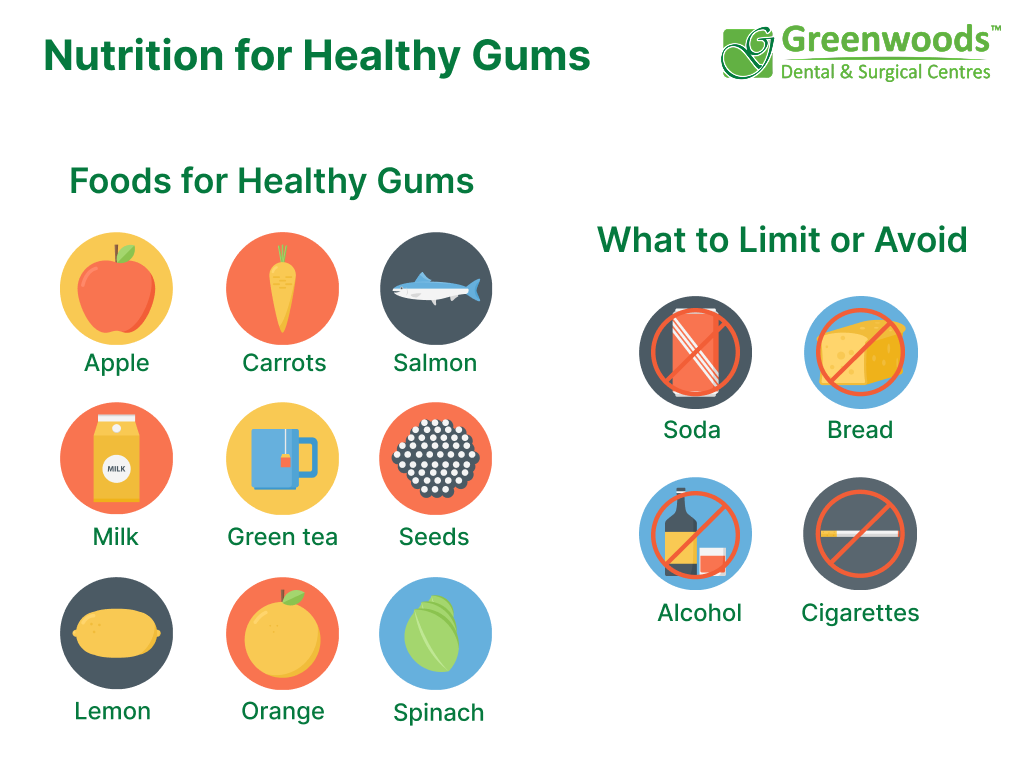
Nutrition for Healthy Gums: What to Eat and What to Avoid
Your diet plays a big role in supporting gum health.
Good Foods for Healthy Gums
| Food Category | Examples | Benefits |
|---|---|---|
| Crunchy Produce | Apples, carrots | Stimulate gums |
| Leafy Greens | Spinach, kale | Vitamins, folic |
| Fatty Fish | Salmon, mackerel | Omega-3s, anti-inflam |
| Nuts, Seeds | Almonds, walnuts | Vitamins, minerals |
| Green Tea | Green tea | Anti-inflam, anti-bac |
| Dairy | Milk, yogurt | Calcium, saliva |
| Citrus Fruits | Oranges, lemons | Vitamin C, saliva |
| Onions | Raw onions | Anti-bacterial |
Foods to Limit or Avoid for Gum Health
| Food Category | Examples | Why Avoid |
|---|---|---|
| Sugary, Acidic | Soda, candy | Feeds bacteria |
| Sticky Treats | Caramel, fruit | Traps bacteria |
| Starchy Carbs | Bread, chips | Breaks to sugar |
| Alcohol, Tobacco | Alcohol, cigarettes | Damages gums |
The Power of Regular Dental Visits
Even with perfect home care, regular dental check-ups and professional cleanings are essential. Your dental team can spot early signs of trouble, clean areas you can’t reach, and address issues before they get serious.
Lifestyle Adjustments
- Quit Smoking: This is one of the best things you can do for your gums.
- Manage Stress: Stress can weaken your immune system.
- Stay Hydrated: Drinking enough water helps keep your mouth clean.
Living with Periodontitis: What to Expect Long-Term
If you’ve been diagnosed with periodontitis, it’s important to understand the long-term picture and why ongoing care is so important.
Can Periodontal Disease Be Cured?
Gingivitis (the early stage) is reversible. But once it progresses to periodontitis, the damage to bone and supporting tissues is often irreversible. While it can’t be “cured” in the sense of completely reversing all damage, its progression can be effectively managed, slowed, or even stopped with the right treatment. Think of periodontitis as a chronic condition that needs ongoing management, much like diabetes.
Preventing Tooth Loss
If untreated, periodontal disease can lead to teeth becoming loose, shifting, and eventually falling out. It’s actually the leading cause of tooth loss in adults. But by getting and following professional treatment, you can significantly reduce your risk of losing teeth.
Periodontal Maintenance Therapy
Successful gum disease treatment isn’t a one-time fix; it’s the start of a lifelong commitment to maintenance. Regular professional cleanings (often every 3-4 months) and your diligent daily oral hygiene are crucial for long-term success.
Understanding the Investment: Costs of Treatment
It’s natural to wonder about the costs of periodontal disease treatment. Prices can vary quite a bit depending on several factors. The good news is that preventing gum disease or treating it early can save you a lot of money in the long run!
Factors Influencing Treatment Costs
- Severity of Disease: Mild cases are less expensive than advanced ones.
- Type of Procedure: Non-surgical treatments are generally less costly than surgical ones.
- Treatment Area: Treating one tooth costs less than multiple teeth or your whole mouth.
- Location: Dental costs can vary by city or region.
- Dentist’s Expertise: Specialists might charge more for their advanced skills.
- Technology Used: Some advanced technologies can influence the overall cost.
Estimated Periodontal Treatment Costs
| Procedure | Cost Range | Notes |
|---|---|---|
| Initial Consult | $50 – $250 | Exam, X-rays |
| Scaling, Planing | $100 – $300 | Deep cleaning |
| Gum Graft | $600 – $1,200 | Covers roots |
| Flap Surgery | $1,000 – $3,000 | Reduces pockets |
| LANAP | $1,250 – $3,000 | Laser treatment |
| Full Mouth | $7,000 – $90,000 | Varies by case |
| Gum Implant | $3,000 – $6,000 | Replaces tooth |
| Maintenance | $100 – $200 | Ongoing care |
Is Periodontal Disease Contagious?
This is a common question! Periodontal disease is an inflammatory reaction to specific bacteria under your gums. It’s not “contagious” like a cold or flu, meaning you don’t typically “catch” it just from being around someone who has it.
However, the bacteria that cause this inflammation can spread through saliva. So, close contact, like kissing, or sharing eating utensils or toothbrushes, can pass these oral bacteria from one person to another.
It’s important to know that simply getting these bacteria doesn’t guarantee you’ll develop gum disease. Your risk depends on many things, including your immune system, genetics, overall health, and most importantly, how well you take care of your mouth every day.
So, while the disease itself isn’t usually “caught,” it’s a good idea to avoid sharing oral hygiene tools in households where someone has gum disease. The best way to prevent gum disease is always consistent and proper plaque control through daily brushing, flossing, and regular professional dental cleanings.
Conclusion: Your Journey to a Healthier Smile
Periodontal disease is a common and often silent infection that can lead to serious damage and even tooth loss if ignored. It’s a complex health challenge influenced by plaque, your overall health, genetics, and your lifestyle.
Your oral health is deeply connected to your overall body health. Gum disease can affect, and be affected by, serious conditions like diabetes, heart disease, and certain cancers. This truly highlights how vital healthy gums are for your overall well-being.
Taking charge of your oral health means committing to daily habits like proper brushing and flossing, choosing the right products, and eating a healthy diet. Regular dental check-ups and professional cleanings are incredibly important for catching issues early and keeping your gums healthy. If you notice any symptoms or are concerned about your risk, please talk to your dentist or a periodontist right away. A healthy smile isn’t just about looking good; it’s a key part of a healthy, happy life!