Refer a Patient





Let’s be honest – most of us don’t spend much time thinking about what happens behind the scenes at our dentist’s office. We sit in the chair, open the mouth wide, and trust that everything’s being handled properly. But infection control in dental settings? That’s actually a really big deal, and here’s why it matters more than you might think.
Your Mouth is a Gateway to Your Entire Body
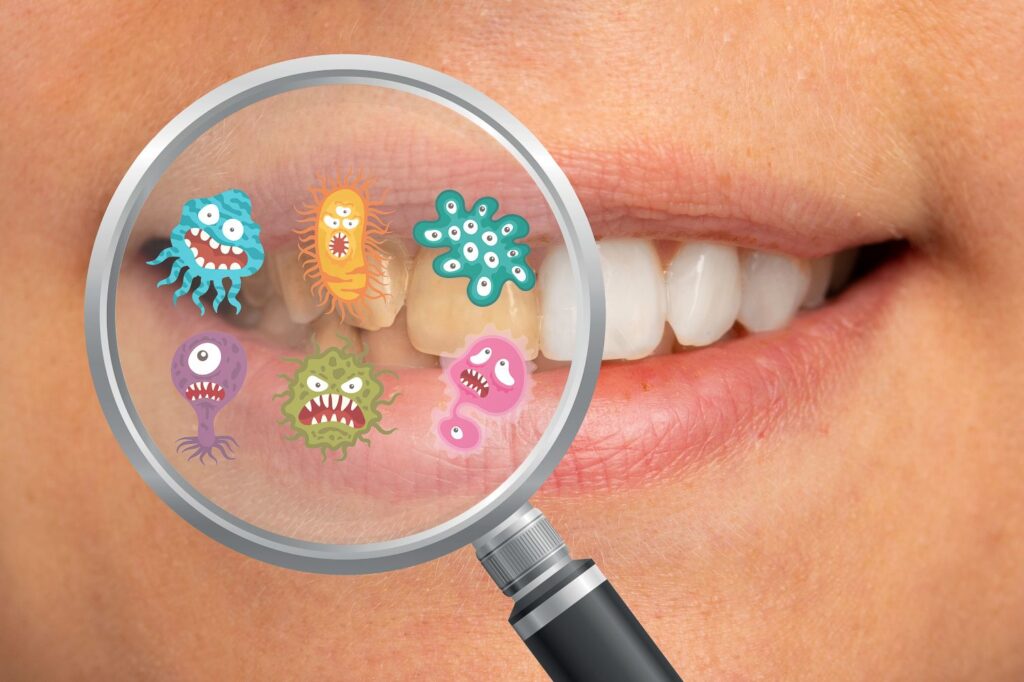
You’ll be surprised to know that the mouth isn’t just an isolated part of your body. It is connected to everything else and is full of bacteria – good and bad. During dental procedures, especially during cuts and stitches, there is a direct pathway for bacteria to enter your bloodstream.
Without proper infection control, you could be exposed to everything from hepatitis B to HIV. Some cases of infections could also lead to endocarditis (an infection of the heart’s inner lining). For people with compromised immune systems, heart conditions, or diabetes, the risks are even higher.
Good infection control practices like sterilization and barrier protection literally stand between you and potentially serious health complications.
Cross-contamination is Easier Than You Think
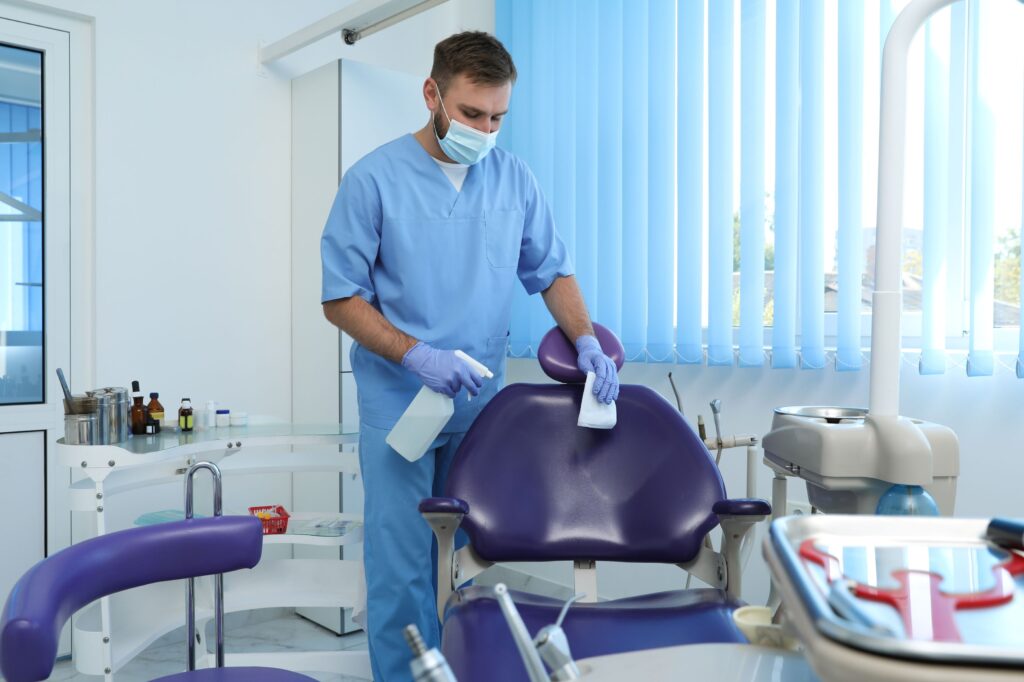
Think about how many surfaces your dentist and hygienist touch during a typical appointment. The light handle, computer keyboard, drawer handles, charts – and that’s all while wearing gloves that may just have been in your mouth. It is kind of wild when you stop to consider it.
Without strict infection control protocols, bacteria and viruses can hitch a ride from one patient to the next! Maybe the person before you had a nasty oral infection? Dental offices that take infection control seriously use disposable barriers on commonly touched surfaces, change gloves, and disinfect everything between patients. So next time you visit your dentist, pay attention to what’s being done and maybe even ask your dentist for precautions.
Dental Staff Need Protection Too
Have you ever thought about how your dentist is exposed to human blood, saliva, and aerosols every single day while they are at work? They are working inches away from your mouth while you breathe, cough, and even sneeze.
Without proper protective equipment like masks, gloves, and aprons, dental workers are at constant risk. They can contract bloodborne diseases and respiratory infections. And it’s not just about the big scary diseases; even common colds and flu can spread rapidly in a dental setting. When dental offices prioritize infection control, they are protecting their team, which means those professionals stay healthy and can provide care to you.
Trust is Everything
Let’s talk about the elephant in the room; a lot of people are already nervous about going to the dentist. The sounds, the smells, maybe even someone screaming – it’s not exactly a day at the spa. The last thing anyone wants to worry about is whether the dental office is clean and safe.
When you see your dentist open sterile instrument packages in front of you or notice the hygienist put on a fresh pair of gloves – it build confidence. You relax a little and trust them with your safety.
And that trust? It makes you more likely to keep your appointments, follow through with necessary treatments, and maintain your oral health. On the flip side, even a hint of poor hygiene practice can send patients away and ruin a dental practice’s reputation overnight.
It’s Not Optical – It’s the Law
Dental offices don’t get to choose whether or not they want to follow infection control guidelines. Organizations like the Manitoba Dental Association, OSHA and dental boards have strict regulations in place for good reason. These aren’t just suggestions or best practices – they are requirements.
These regulations exist because the consequences of poor infection control have been documented and studied. There have been real cases of patients contracting serious infections from dental offices that cut corners. The guidelines cover everything from how instruments must be sterlized in autoclave, to how sharp instruments must be disposed of. Regular inspections and adherence to these standards mean that when you walk into a dental office.
The Bottom Line
Infection control in a dental office isn’t about being paranoid or cautious – it’s about respecting the science of how diseases are spread and taking practical steps to protect everyone involved. The next time
The next time you’re at the dentist, take a moment to notice those little details: the sealed sterilization pouches, the fresh gloves, and the protective barriers. They’re all there for a reason, working quietly in the background to keep you safe.
And if you ever have questions about the infection control practices when you visit Greenwoods Dental, just ask! We will be happy—even proud—to walk you through our protocols. Because at the end of the day, your health and safety should always be the top priority.